

Why Choose an Aluminium Framing System? Key Advantages for Modern Construction
In today’s fast-paced construction environment, both homeowners and professionals want building solutions that are strong, flexible, and efficient. As project requirements continue to evolve, the aluminium framing system has become a leading choice across Australia. It offers a rare mix of durability, modern design, and ease of installation, making it a practical option for residential, commercial, and industrial builds.
Although construction materials have changed over time, aluminium continues to stand out because it delivers consistent performance with minimal maintenance. This approach not only simplifies the building process but also supports creative designs and long-term value.
This article explores why aluminium is favoured in modern construction, how it enhances structural quality, and the role of the t slot aluminium extrusion, modular system, and t slot extrusion in shaping today’s building solutions.
Lightweight Yet Remarkably Strong
One of the main advantages of aluminium is its impressive strength-to-weight ratio. Even though it weighs far less than steel or timber, it provides strong support for various building applications. Because the material is light, it is easier to transport, lift, and assemble, which helps speed up construction timelines.
Its reduced weight also places less pressure on foundations. This is particularly helpful for renovations, second-storey extensions, or projects where soil conditions require lighter structural loads. Additionally, lighter materials help reduce labour fatigue, making installation safer and more efficient for workers.
Corrosion-Resistant and Long-Lasting
Another major benefit of aluminium is its natural resistance to corrosion. Unlike materials that rust, warp, rot, or attract pests, aluminium remains stable even in harsh outdoor environments. This includes coastal regions, humid areas, and places exposed to constant weather changes.

Because it maintains its integrity over time, aluminium offers long-term reliability with very little maintenance required. When customers consider the lifetime cost of ownership, aluminium often becomes a more economical choice due to fewer repairs and a significantly longer lifespan.
Excellent for Custom and Complex Designs
Modern architecture often calls for unique shapes, clean lines, and flexible configurations. Aluminium supports these needs extremely well thanks to its easy-to-cut and easy-to-form nature. Designers can create curved structures, detailed facades, and custom layouts without facing the limitations of heavier or less adaptable materials.
This flexibility also allows for future changes. Builders can extend or adjust an existing structure with minimal disruption, making aluminium ideal for projects that may evolve over time.
Fast and Easy Assembly on Site
As construction schedules tighten, efficiency has become a crucial factor. Aluminium framing contributes to faster builds because it is quick to assemble with fewer tools and simpler handling. Its precise dimensions ensure components fit together accurately, reducing installation errors.
Pre-cut or pre-assembled pieces can also be delivered directly to the site, helping teams work more smoothly and avoid unnecessary delays. Many businesses appreciate how this leads to higher productivity and more predictable project timelines.
Eco-Friendly and Sustainable Choice
Sustainability is increasingly important in Australian construction. Aluminium aligns with these goals because it is one of the most recyclable building materials available. It can be reused multiple times without losing its strength, helping reduce waste and lower manufacturing-related emissions.
By choosing aluminium, builders and homeowners support a cleaner, more eco-conscious construction industry—all while benefiting from a sturdy, attractive, and long-lasting material.
Safe Material with Reliable Fire Resistance
Safety remains a top priority in any build. Aluminium provides strong fire-related performance, as it does not burn or produce toxic smoke. While it may melt under extremely high temperatures, it does not contribute to flame spread. This characteristic helps projects meet strict safety standards and gives property owners greater peace of mind.
Minimal Maintenance for Ongoing Convenience
Many customers want a framing solution that stays strong without constant upkeep. Aluminium delivers exactly that. Because it resists corrosion and weather damage, it remains durable even after years of exposure to harsh outdoor conditions.
This makes it especially beneficial in commercial settings, where low maintenance means fewer disruptions and reduced long-term costs. Whether used in warehouses, shopfronts, or interior structures, aluminium remains steady and reliable with very little effort.
Ideal for Modular and Adjustable Layouts
Today’s construction environment increasingly relies on adaptable building styles. Using a modular system alongside aluminium framing allows sections to be added, removed, or repositioned with ease. This is particularly valuable in industries such as manufacturing, logistics, and retail, where layouts often change as operations grow.
Because aluminium is light, easy to connect, and simple to reconfigure, it supports long-term flexibility without requiring expensive rebuilds.
Improved Accuracy with Advanced Profile Technology
Modern framing often uses innovative profiles to achieve cleaner and more precise results. Systems such as the t slot aluminium extrusion allow components to lock firmly into place without welding. These slots provide strong stability while also allowing attachments to be positioned anywhere along the frame.
This level of precision is ideal for machine bases, workstations, shelving systems, safety guards, and interior partitions. It gives builders and designers more creative control while keeping assembly straightforward.
Versatile Across Multiple Industries
Aluminium framing is used across a wide range of industries because it adapts to so many applications. Some examples include:
- Residential projects: window frames, pergolas, and home extensions.
- Commercial builds: office partitions, counters, and shopfitting systems.
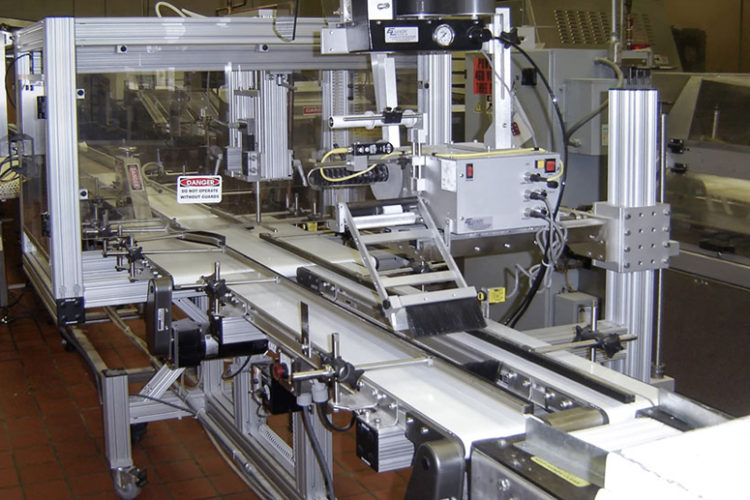
- Industrial environments: conveyor supports, equipment frames, robotics, and machine guarding.
- Transport and automotive: lightweight structural components that improve efficiency.
- Agriculture: durable greenhouse structures and outdoor frames designed to handle changing weather.
This broad versatility makes aluminium popular with builders, engineers, manufacturers, and DIY users alike.
Modern, Clean, and Attractive Appearance
Visual appeal is another strong advantage. Aluminium provides a sleek and contemporary look that suits both residential and commercial spaces. It can be powder-coated, anodised, or polished, giving designers greater freedom in choosing colours and finishes.
It also retains its appearance over time. Even after long exposure to sun or rain, it stays clean and smooth with minimal effort, helping maintain a modern look throughout the life of the building.
Cost-Effective Over the Full Project Lifecycle
Although aluminium may cost more initially than some traditional materials, it often becomes the more cost-effective option over the long term. Faster installation, fewer repairs, reduced maintenance, and long-lasting durability all contribute to improved value.
Additionally, because aluminium components can be reused or reconfigured, they reduce waste and offer better financial flexibility for future changes.
High Precision and Less Material Waste
Aluminium profiles are manufactured with precise tolerances, which means each piece fits exactly into place. This accuracy reduces installation mistakes, minimises adjustments on-site, and lowers the amount of wasted material.
Leftover aluminium can often be reused in future builds, making it a more resource-efficient choice.
Conclusion: A Smart and Future-Ready Building Solution
Choosing aluminium framing for modern construction provides a combination of strength, adaptability, efficiency, and long-term value. Its durability, clean appearance, and support for innovative building methods make it an ideal choice for both large-scale projects and small custom builds.
Whether you’re a homeowner planning improvements or a builder seeking dependable materials, aluminium offers practical benefits that stand the test of time. Its flexibility, safety features, and sustainable qualities ensure it remains a leading option in Australia’s modern construction landscape.
Frequently Asked Questions (FAQs)
Is an aluminium frame suitable for Australian weather?
Yes. Aluminium performs exceptionally well in heat, humidity, coastal conditions, and areas with heavy rainfall thanks to its natural corrosion resistance.
Does aluminium framing last longer than timber?
In most cases, yes. Unlike timber, aluminium does not rot, warp, or attract pests, giving it a much longer and more reliable lifespan.
Can aluminium be used for modular construction?
Absolutely. Its lightweight nature and compatibility with modular designs allow quick assembly and easy adjustments over time.
Is aluminium environmentally friendly?
Yes. Aluminium is 100% recyclable, reduces waste, and has a lower environmental impact compared to many traditional building materials.
Is aluminium framing cost-effective?
While the upfront cost may be higher, long-term savings from reduced maintenance, faster installation, and durability make it a cost-effective choice.